Technology
Eight core technologies for industrial processes and event safety
These technologies power industrial processes and event safety management. Filter them by business area.
- IndustrySoft sensorsData-efficient Soft SensorsEstimates hard-to-measure process conditions in real time.
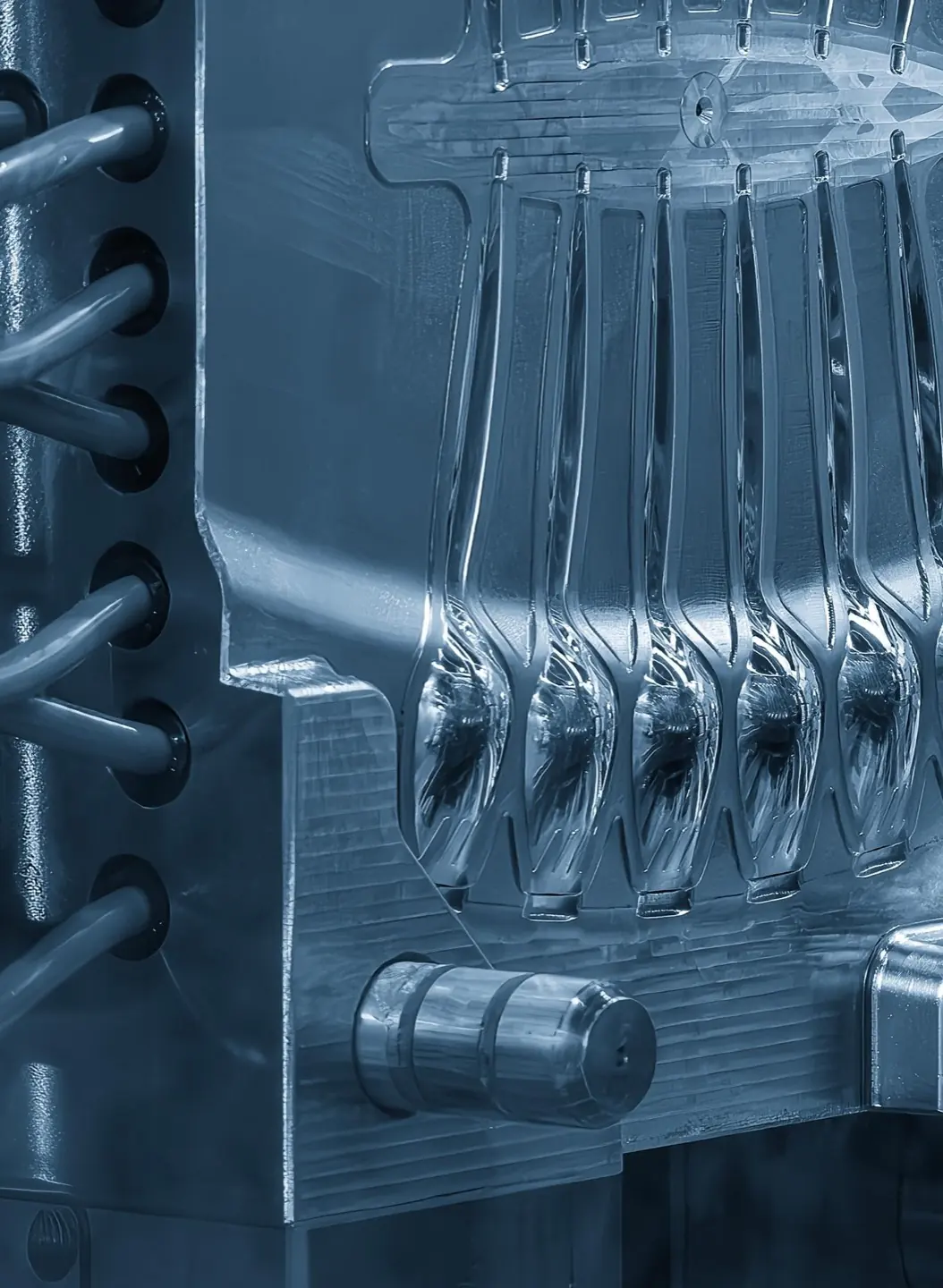
We combine physics models with AI to estimate process conditions as they change over time. In-house data augmentation lets us calibrate models with only a little measured data, cutting the number of measurements and trial runs and lowering build and training costs.
- SharedMulti-sensor fusionMulti-sensor IntegrationAnalyzes video, temperature, gas concentration, and power data together to assess site conditions.
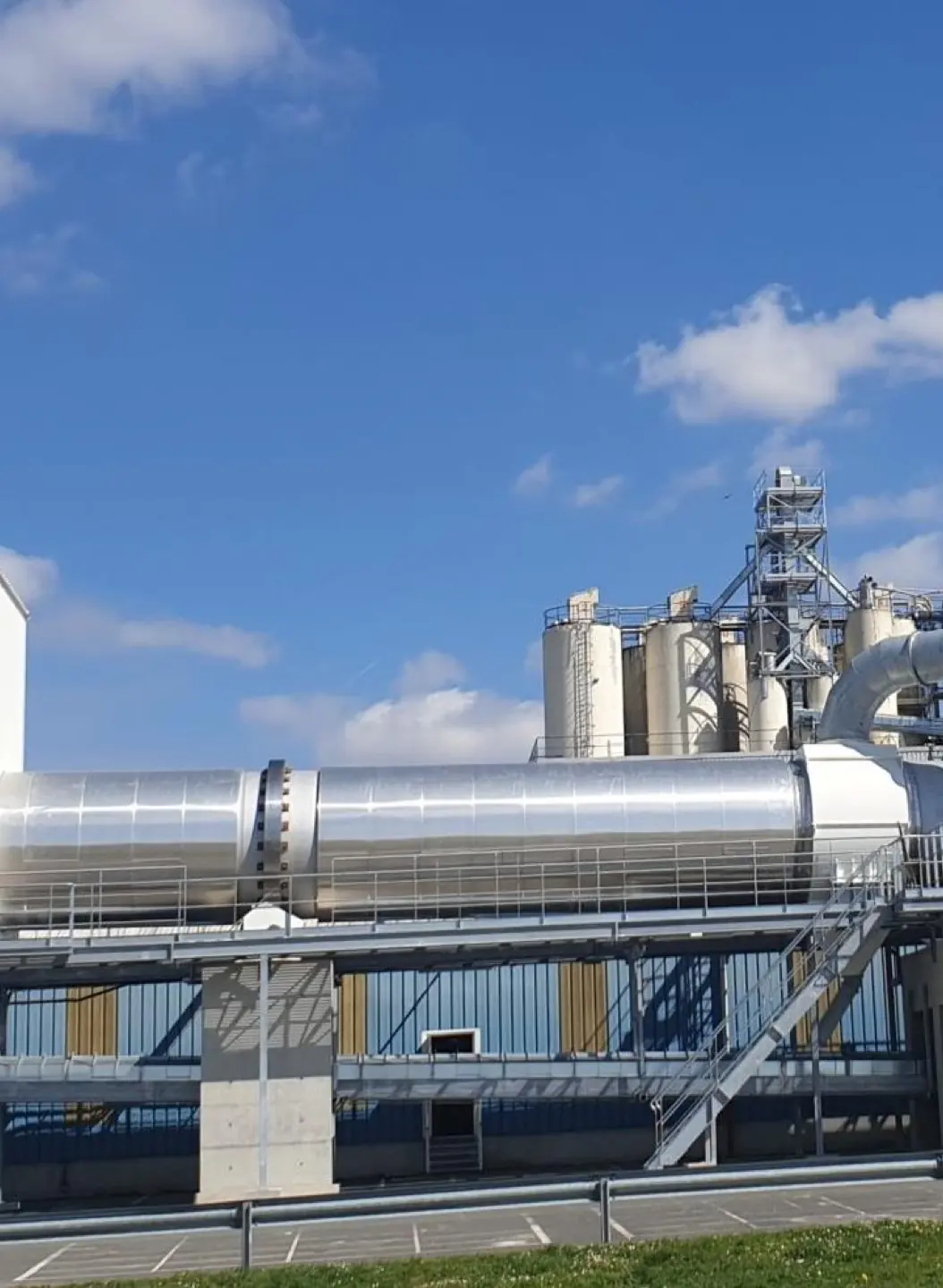
Data from different sensors, including standard and thermal cameras, e-noses, pH/ORP sensors, and gas sensors, is aligned on one timeline and fused to catch anomalies no single sensor can see.
- SharedE-nose · chemical pattern recognitionSentient e-NoseLearns the chemical patterns of odors and gases to detect leaks.
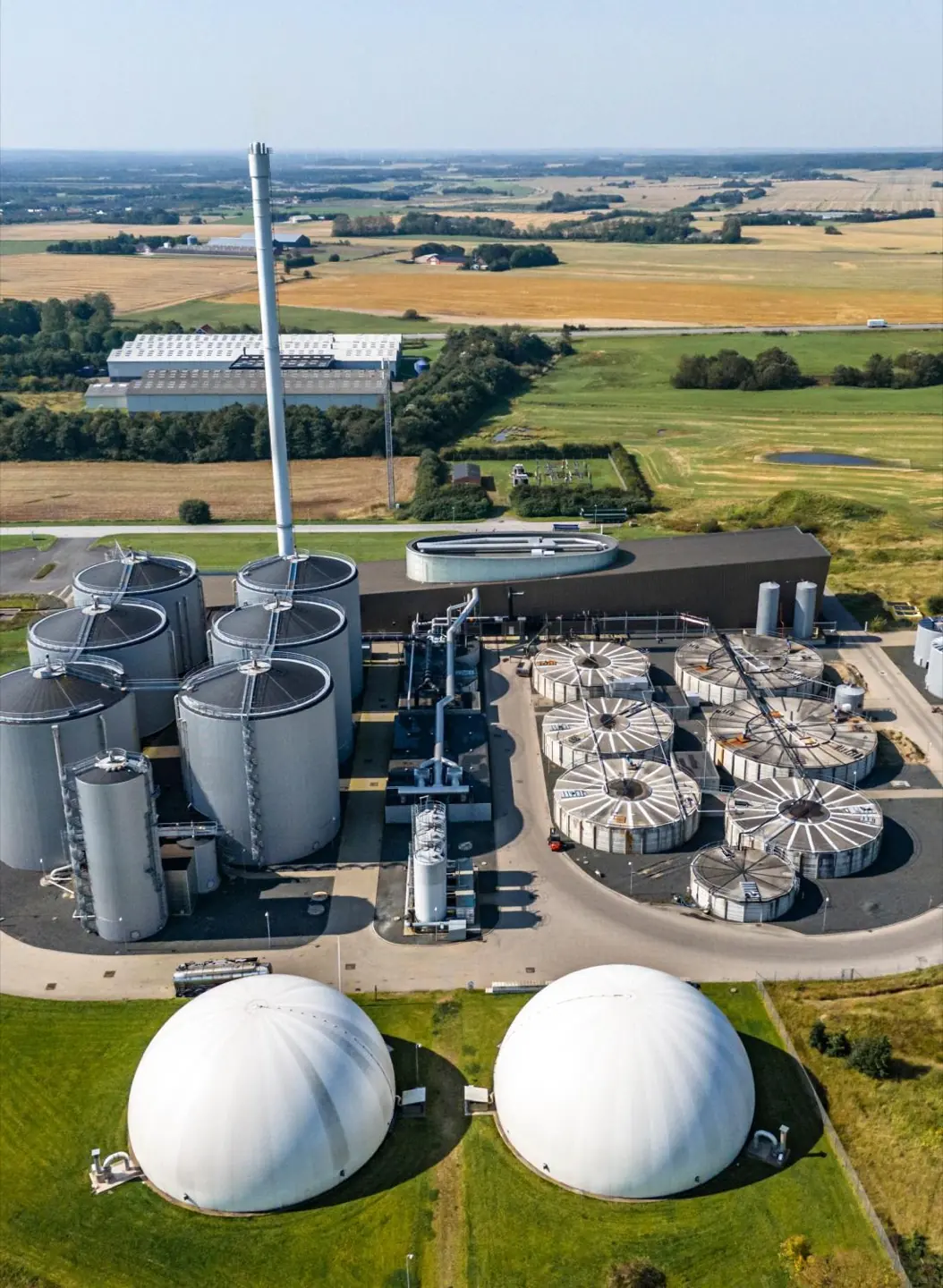
E-noses mounted on edge devices or drones recognize the chemical patterns of gases and odorous substances to detect leaks and anomalies. They support safety management at biogas plants and LNG facilities.
- Industry3D odor and leak monitoringLeak Detection and RepairShows where an odor starts and how it spreads on a 3D model of your plant.
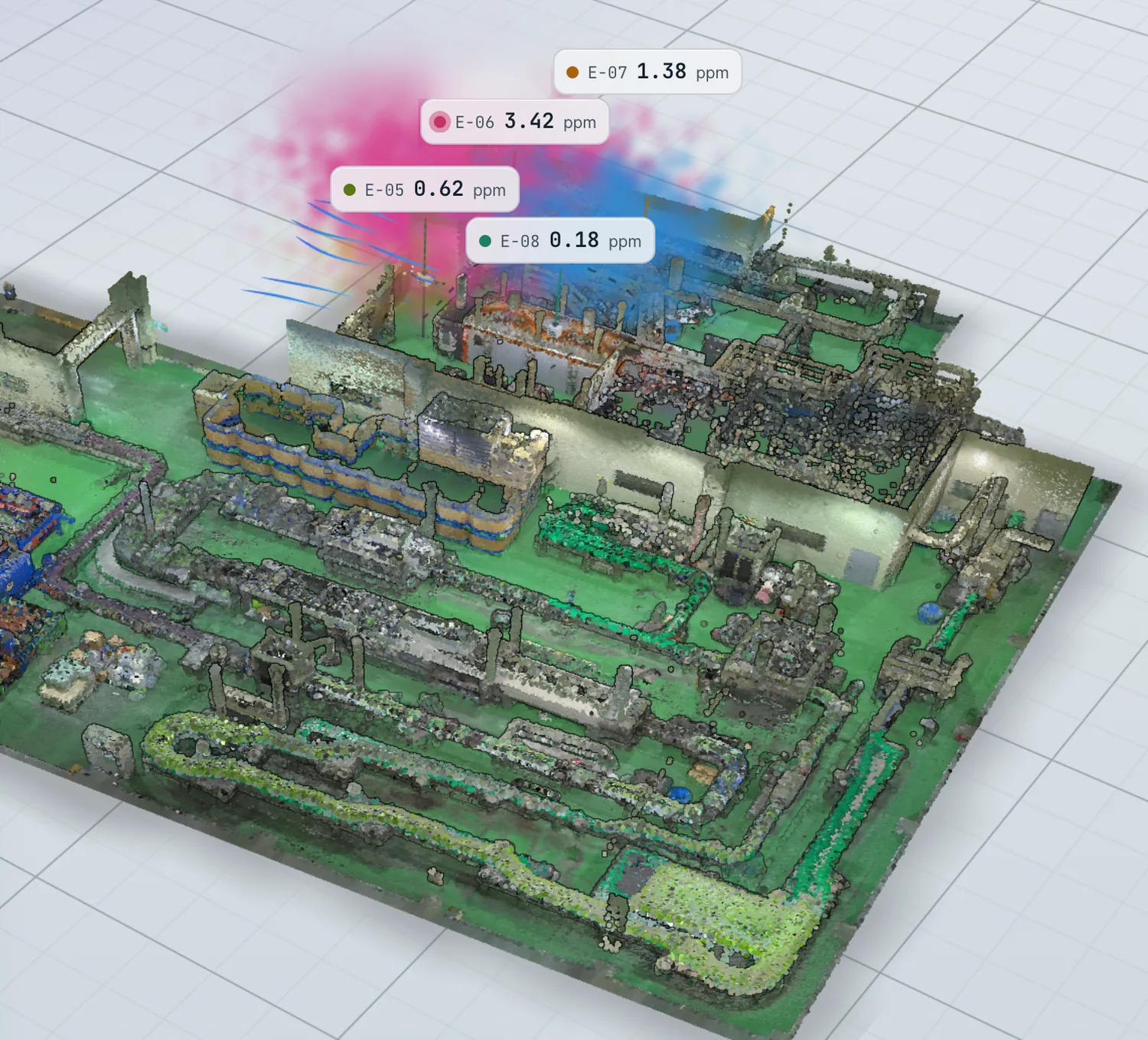
E-nose (ammonia, TVOC) and wind-sensor readings are laid over a 3D model of the real plant, scanned with LiDAR and drones, to visualize how the odor spreads with the wind. AI analyzes the readings to determine the alert level and calculate the coordinates of the estimated leak source.
- IndustryProcess prediction · operation optimizationProcess Optimization & PredictionPredicts upcoming process conditions and adjusts equipment automatically.
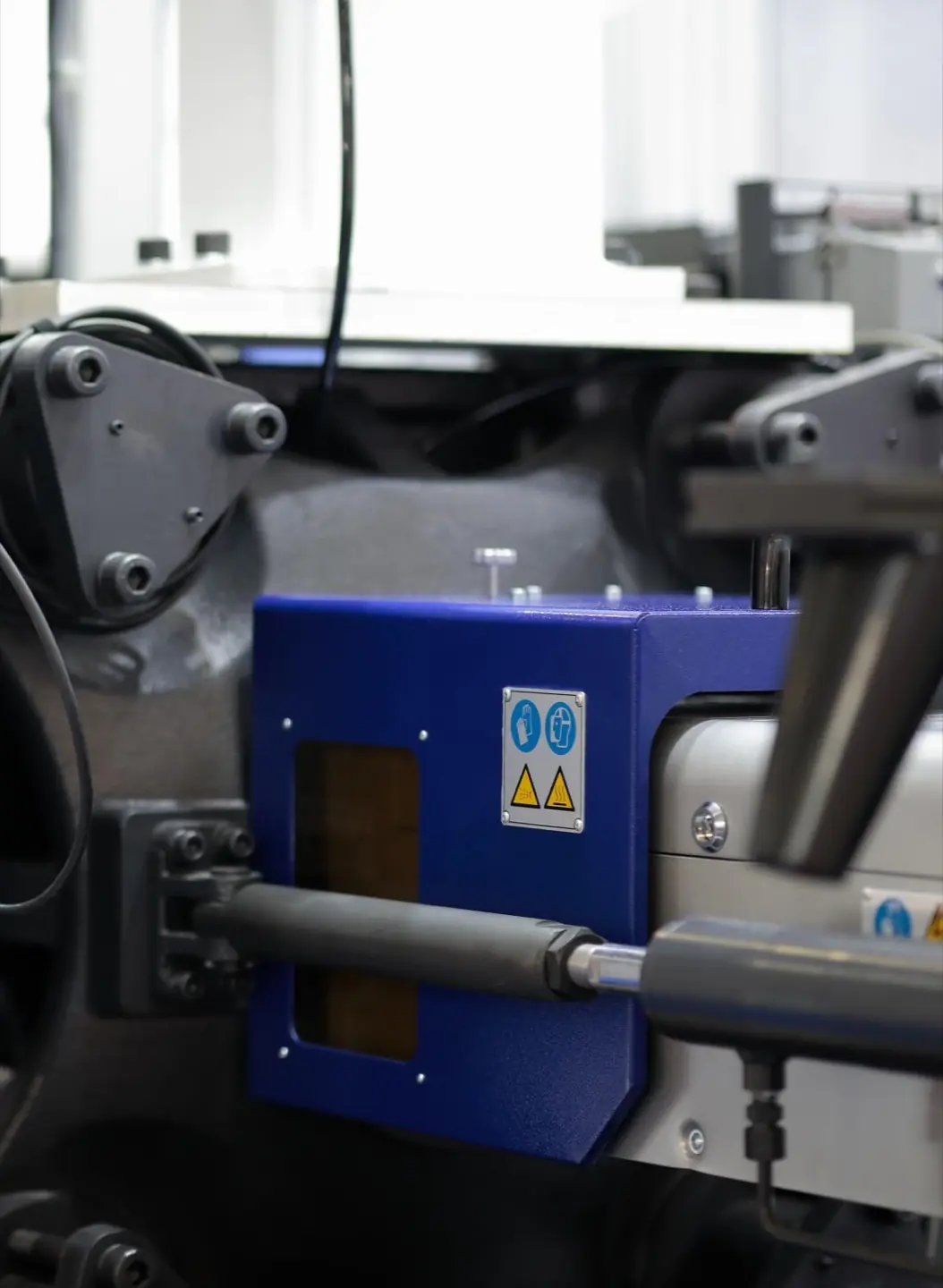
Trained on molding-machine time series and quality results, the model predicts defects before they happen and automatically adjusts injection and foaming conditions and the settings of cooling and heating equipment.
- SharedSpatial integrated monitoringDigital TwinRecreates the site in 3D and shows risk information on one screen.
Floor plans and camera positions are placed in 3D space, so headcounts, sensor readings, and alerts for each zone appear on a single map view. Hazardous scenarios can be simulated in advance.
- SafetyVision AI · 3D spatial awarenessSentient Vision AICounts people and density without identifying faces.
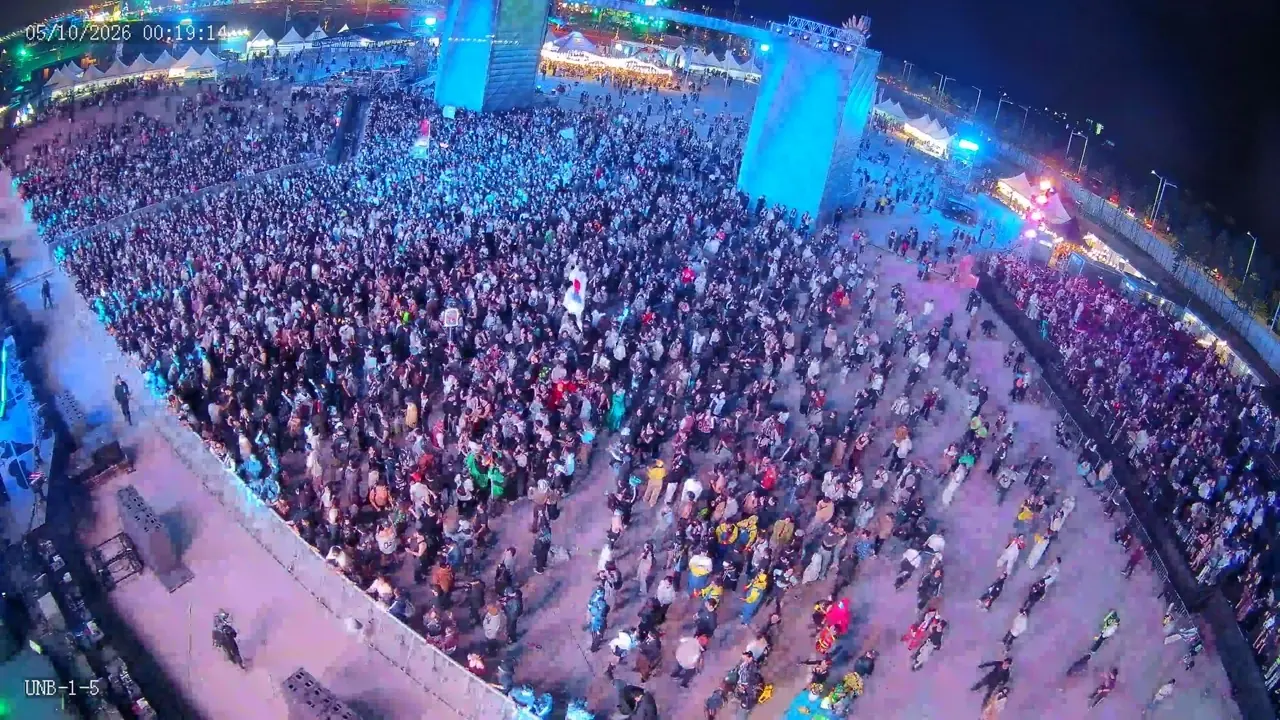
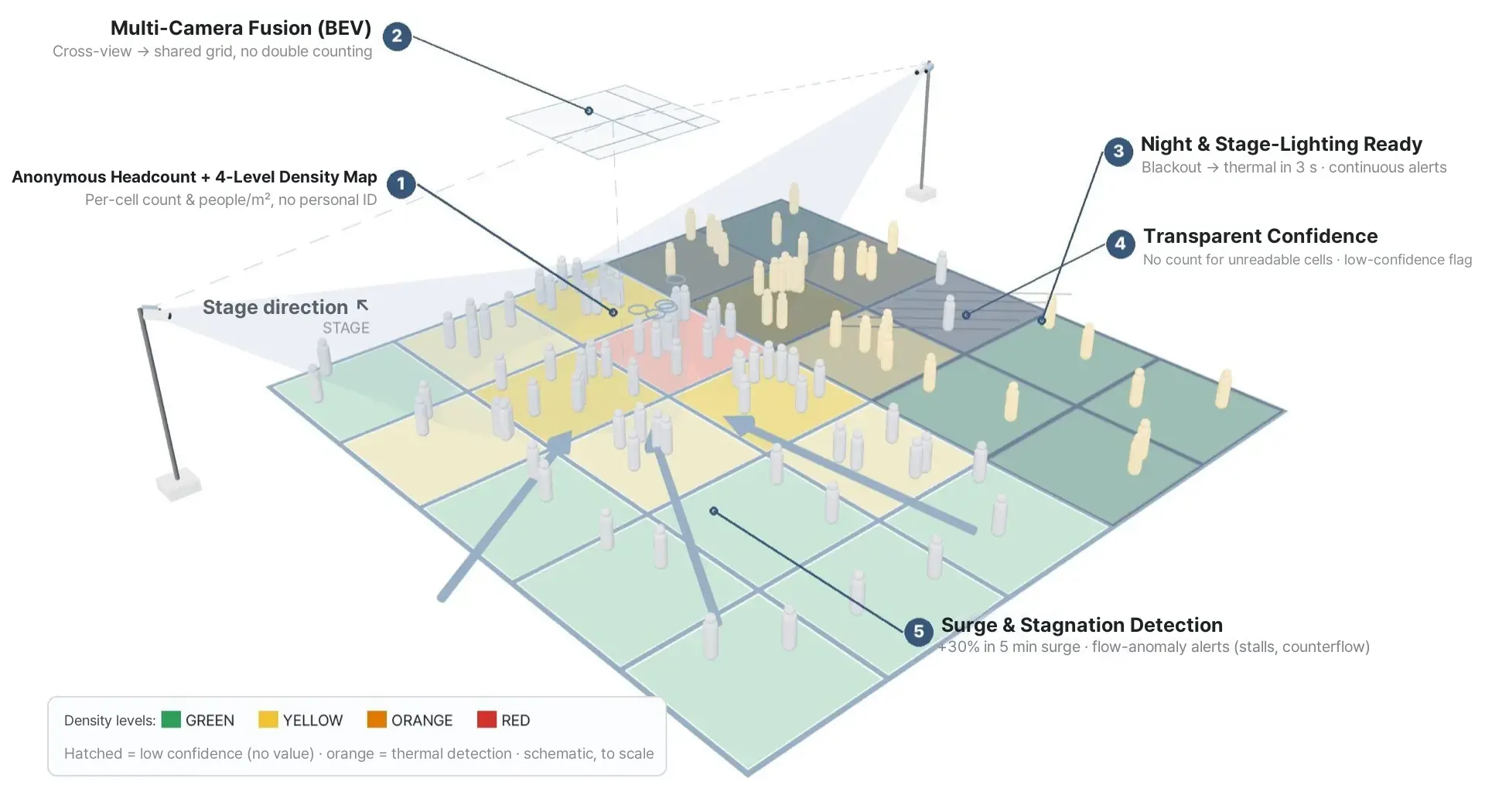
A model that fuses RGB and thermal video from multiple cameras calculates headcount and density (people/m²) for each zone. It detects sudden surges, stalls, and counterflows in crowds, and helps spot medical warning signs such as abnormal body temperature early.
- SafetyAR · MRSentient AROverlays hazard information on the real space field staff see.
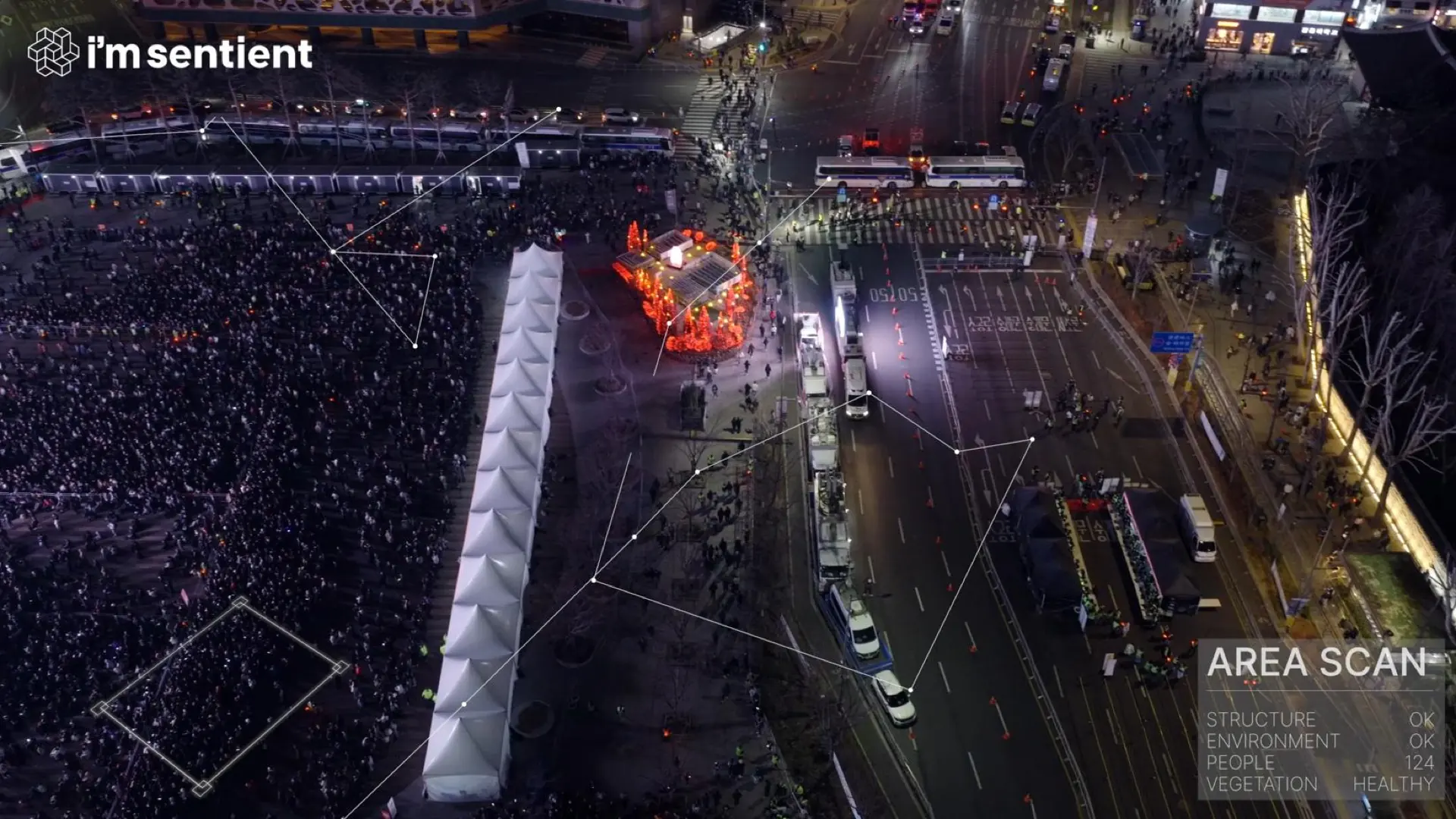
Mobile and wearable devices show hazard zones, routes, and equipment status on top of the real space, so teams on site respond faster.
We combine physics models with AI to estimate process conditions as they change over time. In-house data augmentation lets us calibrate models with only a little measured data, cutting the number of measurements and trial runs and lowering build and training costs.
Equipment and screens used in the field
Spatial awareness
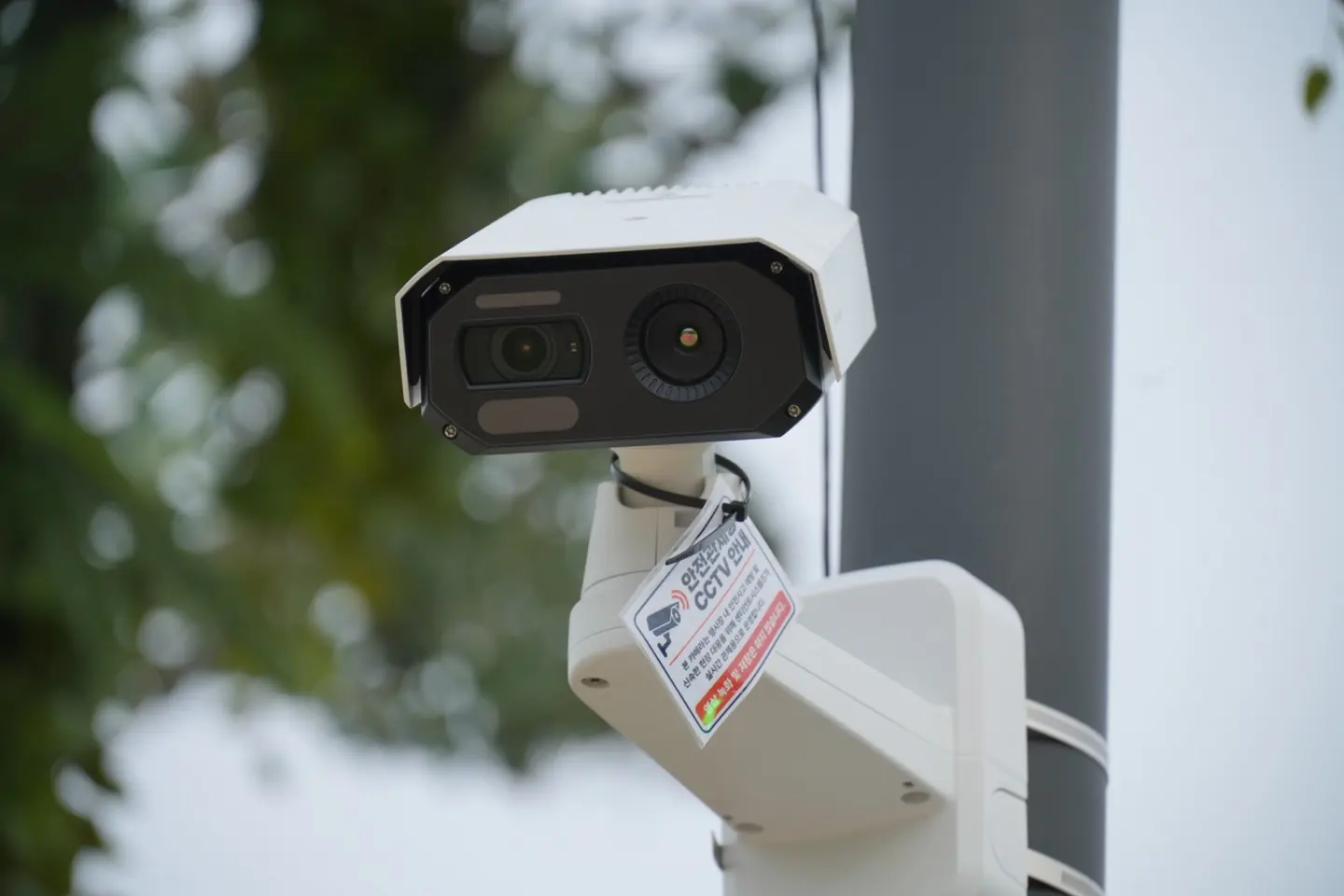
Thermal sensor
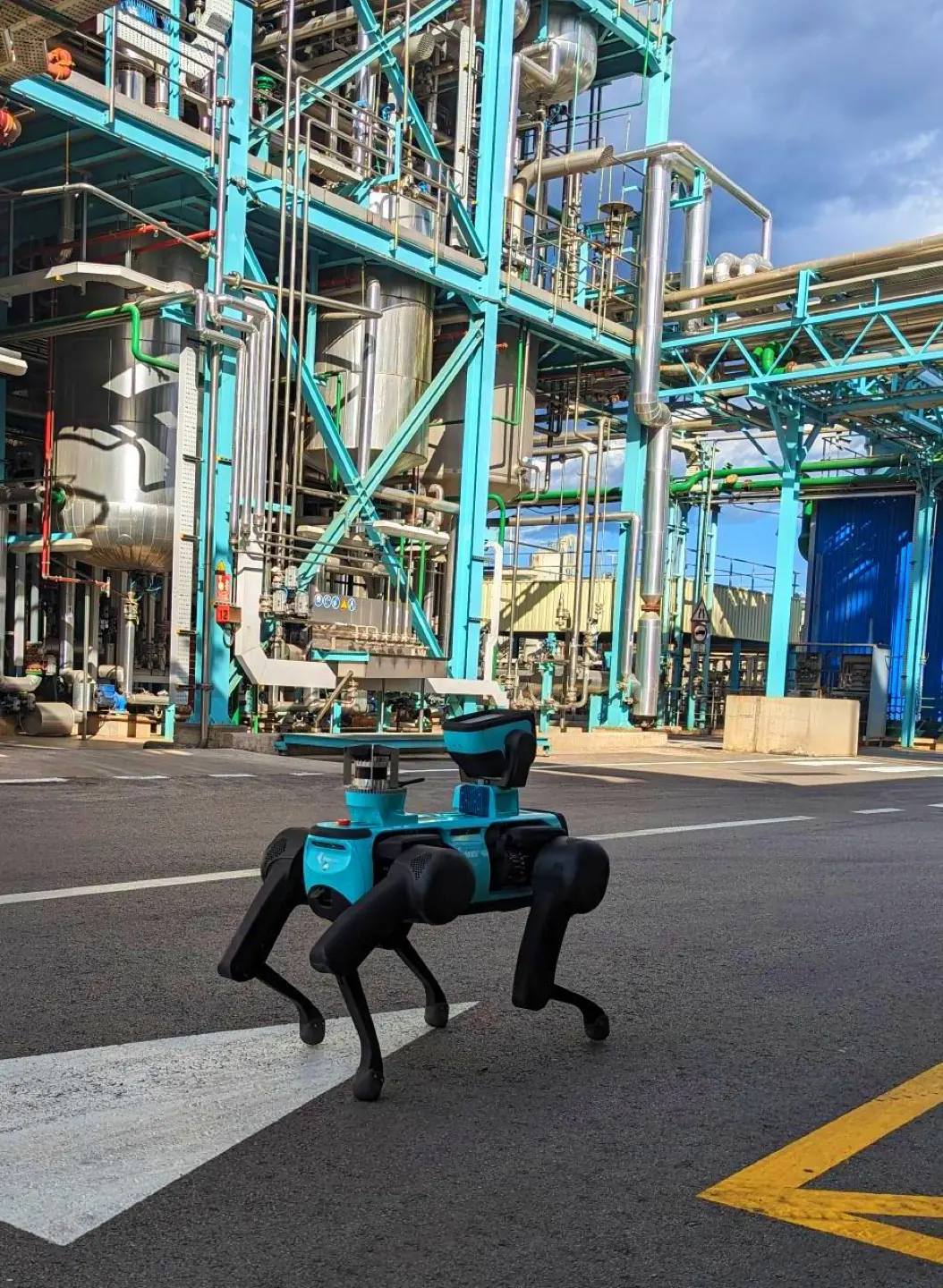
Patrol robot
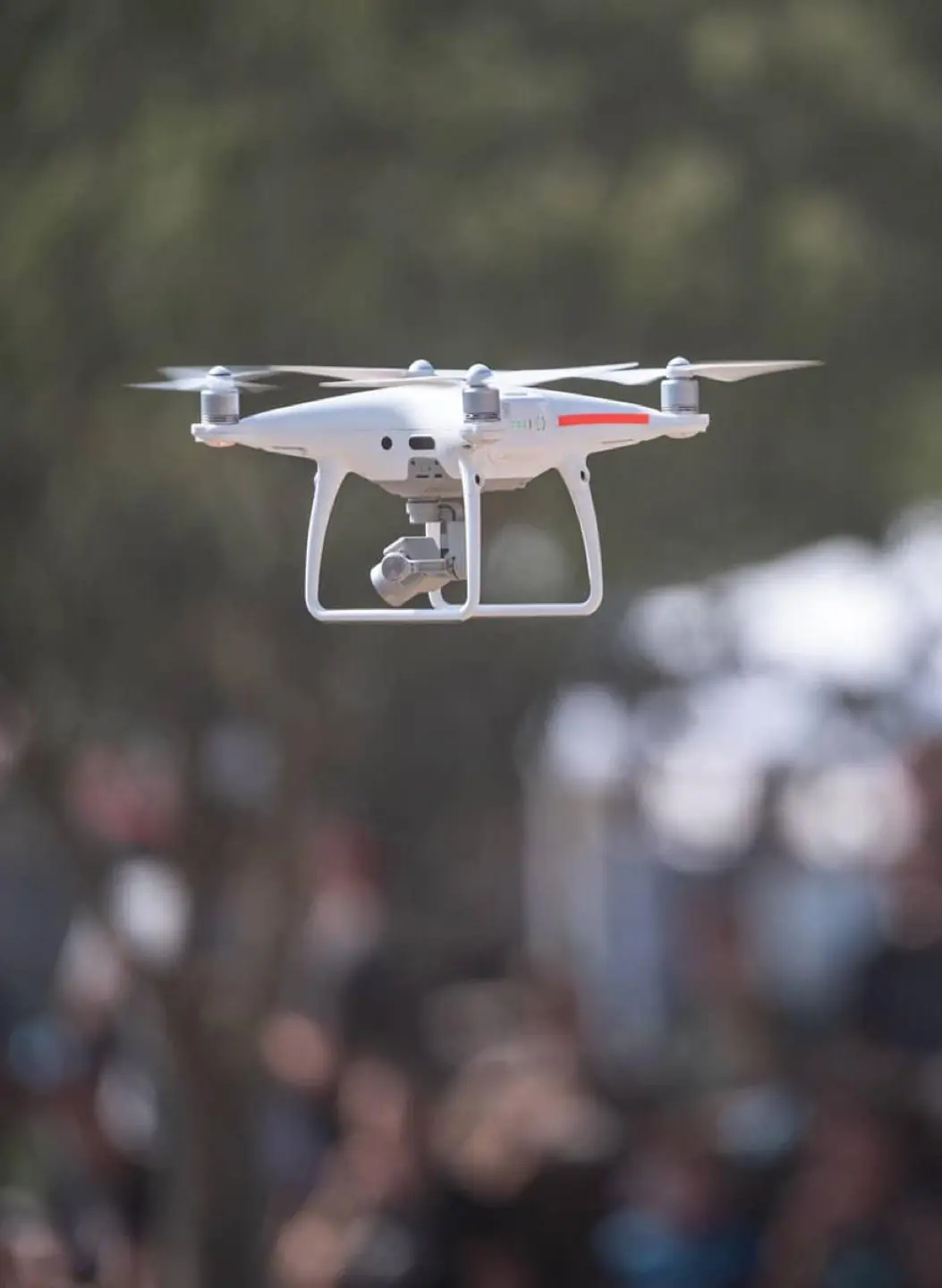
Drone footage
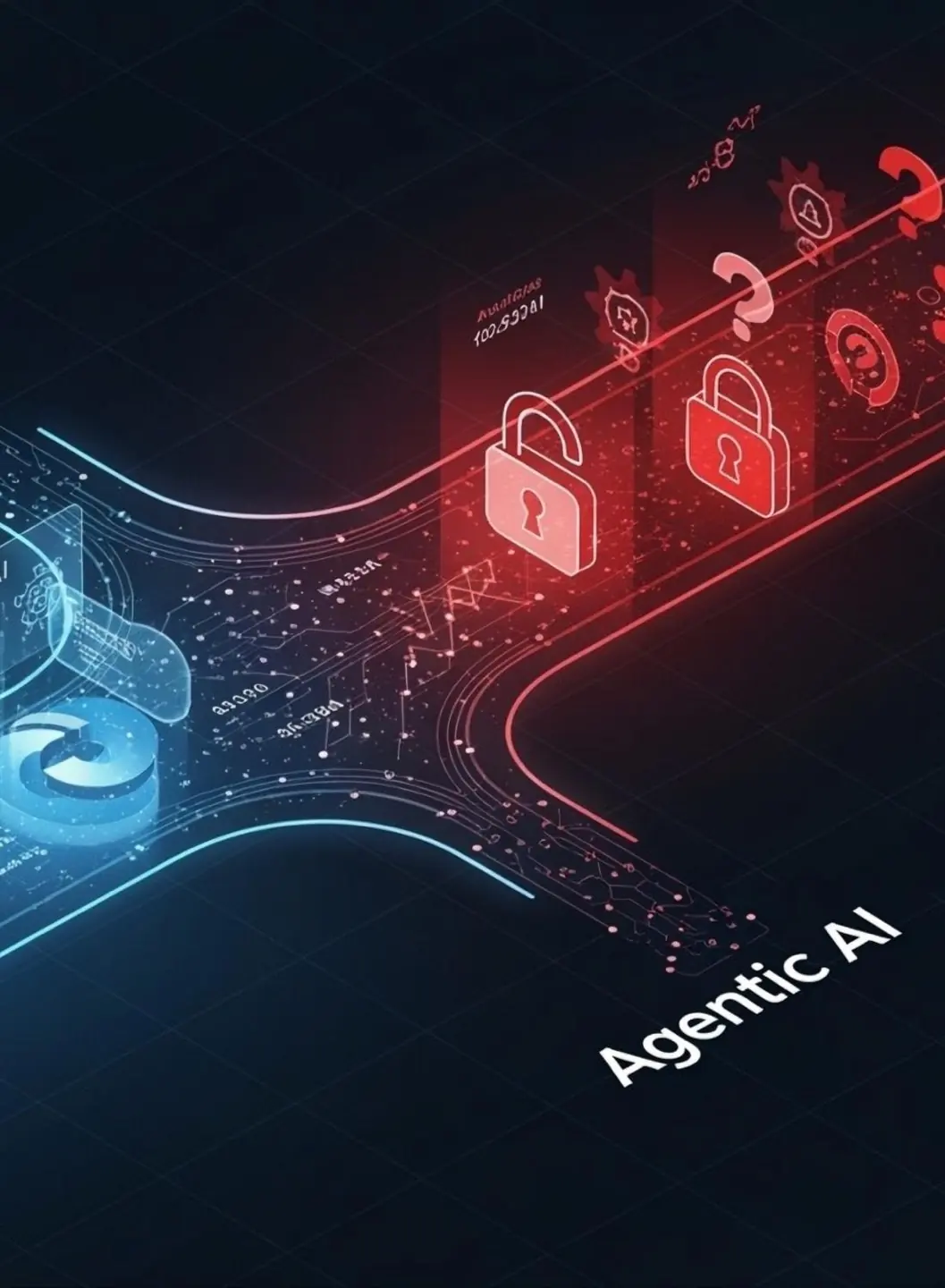
AI agent-based equipment control
AI technology for higher purpose
Where each technology is applied
Find out how the same technology is used at event venues and industrial sites.